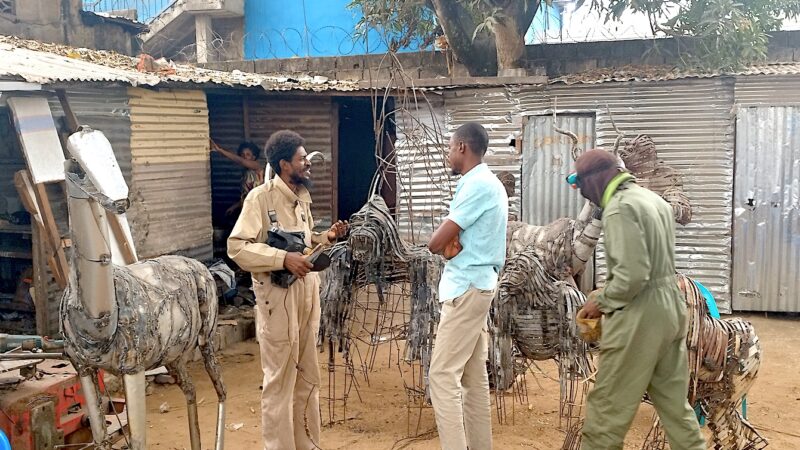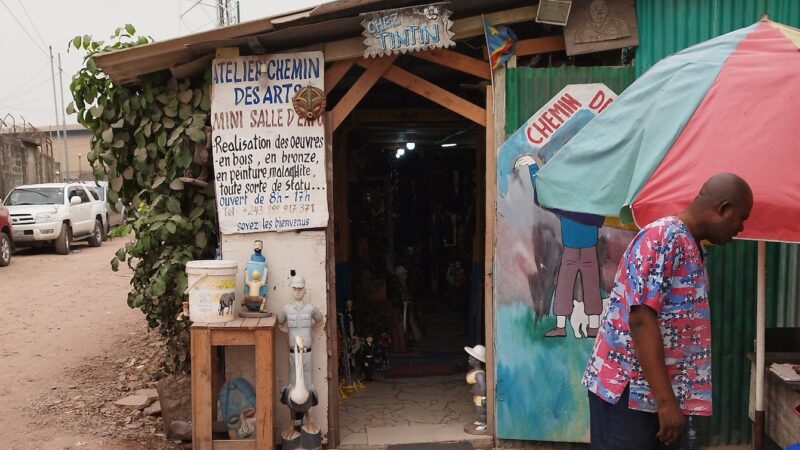
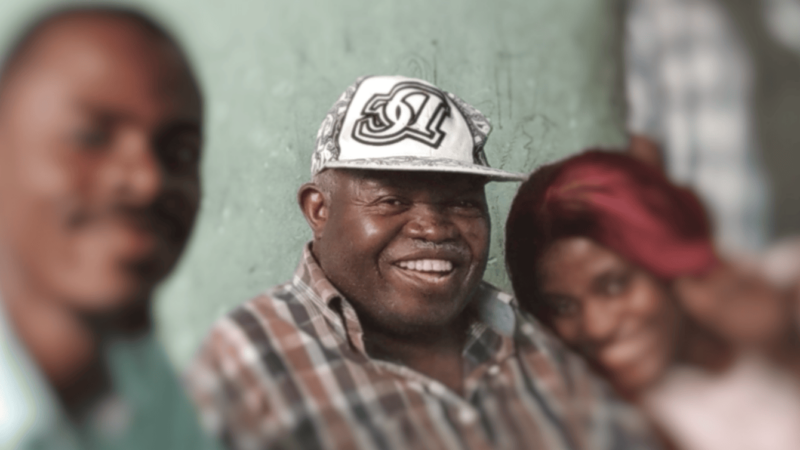
Auguy standing proudly in front of his atelier, surrounded by his sculptures and artworks, showcasing his dedication to preserving Congo's cultural heritage.
Interviews

A Conversation on Sculpting and Mentorship with Auguy Kakese

Stepping into Auguy’s atelier, you’re immediately engulfed by a vibrant display of artistry, with sculptures and paintings narrating a myriad of stories. While internationally recognized for his Tintin figures, Auguy’s journey is much deeper, rooted in the rich cultural heritage of the Congo. From being mentored by masters of Kuba Kasai art, nurturing young talent despite the challenges, to redefining his Tintin sculptures to depict a rising Africa, Auguy’s work is a testament to perseverance, creativity, and a profound commitment to preserving cultural legacy. Discover the inspiring journey of this remarkable artist in our interview.

Read More
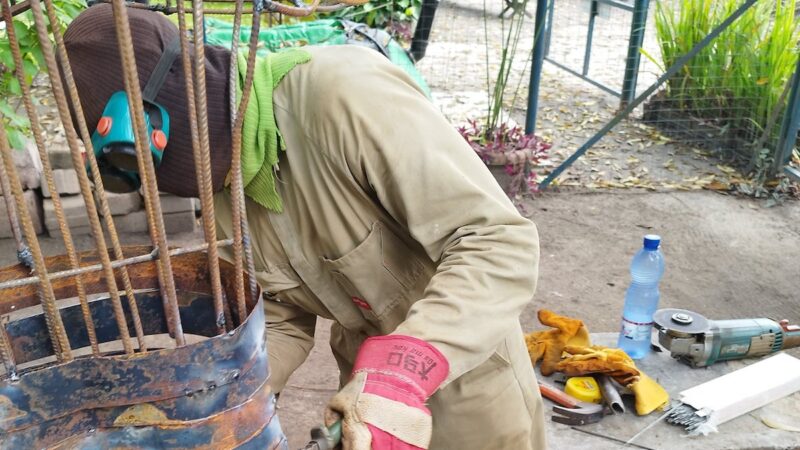
Simplus Ntoto in goggles, respirator and red work gloves shaping a sculpture's rebar frame outdoors, with an angle grinder and tools on the bench beside him
Interviews

From Car Shells to Art Galleries: An Interview with Sculptor Simplus Ntoto

Embark on a remarkable journey into the world of Simplus Ntoto, a revolutionary artist from Kinshasa who has pioneered a unique approach to sculpture using car shells. In our exclusive interview, Ntoto opens up about his creative process, the origins of his distinctive style, and his relentless pursuit of perfection. Uncover the deep connection he shares with his subjects and the powerful message embedded in his art. This is a compelling narrative of passion, innovation, and resilience that illustrates how Ntoto is not only shaping metal but also the future of sculpture.

No Comments Read More
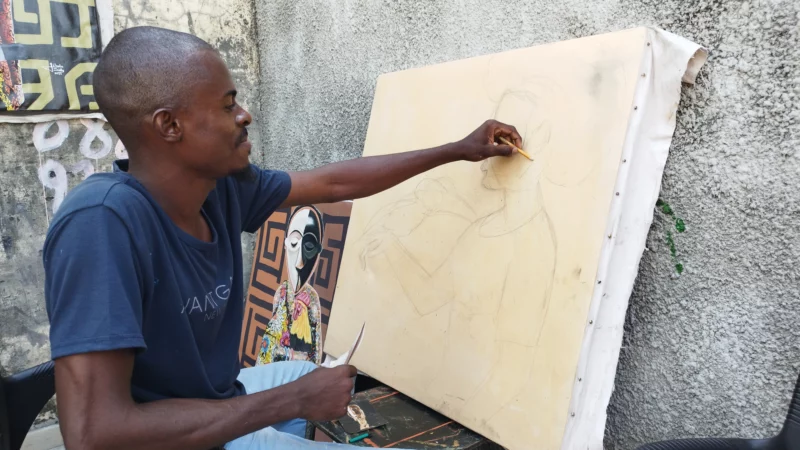
Billy Gibula seated outdoors sketching a portrait in pencil on a large canvas, one of his colorful mask paintings visible against the wall behind him
Interviews

In the Studio with Billy Gibula

On World Art Day we visited the painter Billy Gibula in his studio in Masina, Kinshasa. He told us how a street drawing led him to his mentor, why he left that studio to find his own style, what the masks and birds in his paintings mean, and what young painters in Kinshasa are up against.

No Comments Read More
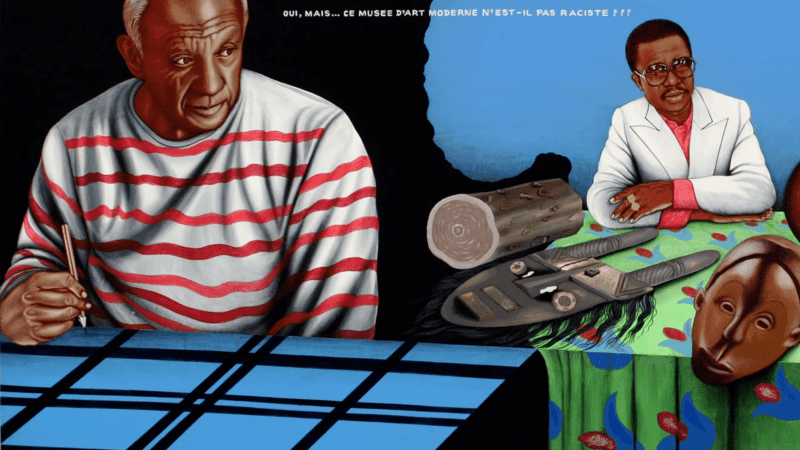
Painting by Chéri Samba showing Picasso drawing at a blue grid table while another artist sits behind African masks, under the title "Quel avenir pour notre art ?"
Essays

11 Congolese Painters Who Redefined African Art

From history painters working with colonial-era restrictions to modern visionaries crafting Afrofuturistic dreamscapes, Congolese artists have long been revolutionaries with a brush. Meet thirteen painters who transformed limitations into liberation: Tshibumba Kanda-Matulu, who dared to paint Congo’s painful history under Mobutu’s watchful eye; Chéri Samba, whose neon-bright satires caught the world’s attention; Pilipili Mulongoy, who turned colonial constraints into masterpieces of motion; and Monsengo Shula, who dresses astronauts in traditional pagne as they drift through cosmic realms.
Yet this is more than just a journey through Congo’s artistic past—it’s a gateway to its future. As we at Kitokongo scour Kinshasa’s vibrant neighborhoods and beyond, we’re discovering the next generation of visionaries, artists who are redefining what Congolese art can be. Join us in exploring not just who these painters were and are, but who they’re becoming. Because in Congo, every artwork is both a survival story and a revolution waiting to happen.

3 Comments Read More
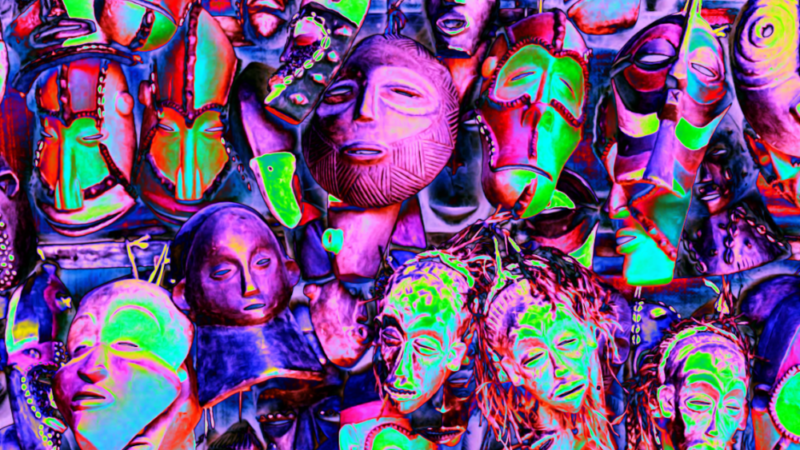
Lots of Congolese masks lying on top of each other
Essays

Behind Glass: Congolese Masks and the Question of Belonging

Behind the glass of European museums, Congolese masterpieces sit frozen under generic tribal labels. But a mask was never just an object; it was a living event, a social relationship, and the work of a brilliant individual creator. While Western art history spends centuries naming its own anonymous masters, the search for Congolese sculptors was quietly abandoned. Reclaiming Congolese authorship means rejecting the grammar of property and restoring names, lineages, and agency to these works. The masters did not run out; the searching did. It is time to shatter the vitrine and rewrite the story.
Let me tell you this: those masks are everything but primitive, and their living power was never meant to be silenced behind museum glass.

They were the living voice of ancestral wisdom. They danced. They judged. They healed. They were alive. This is the story of their stolen power and their fight to finally come home.

No Comments Read More
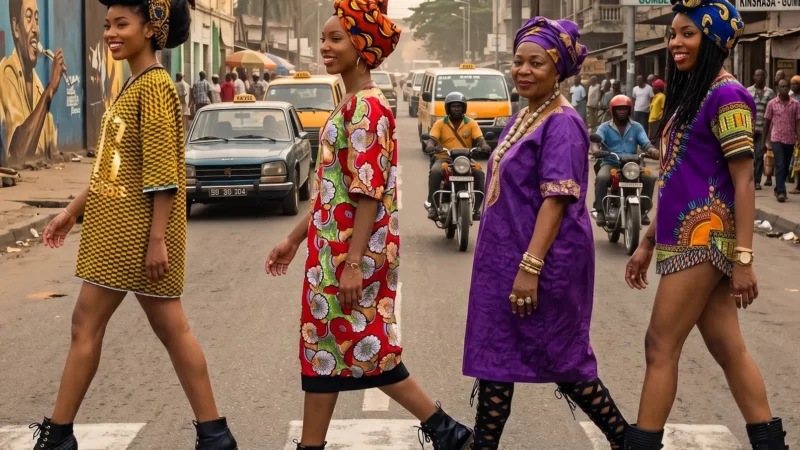
4 women wearing pagne in the streets of kinshasa
Essays

Pagne: More Than Fashion

In Congo, pagne feels at home. It belongs to mothers and aunties, to weddings and mourning, to church and family. Few think of Indonesia, Dutch factories, or European trade routes. Yet wax-resist came from Java, printing from Dutch and English mills, and many patterns from Indonesia. This print was not born in Africa. The African story begins after printing: in the market, the naming, the tailoring, the ceremony, the body. The cloth came off a machine. The garment did not. It was talked into being.

No Comments Read More