-
A Series of Small Miracles, 1926–1960
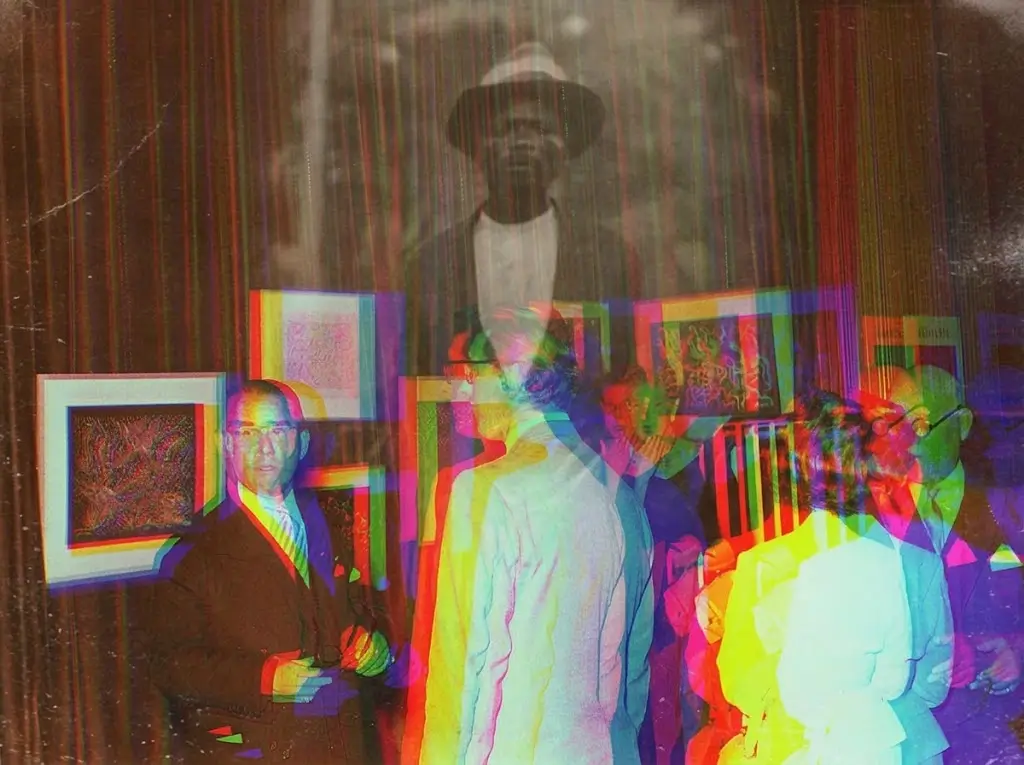
In 2015 André Magnin told a Paris magazine that Congolese painting owed its start to a series of small “miracles”: paper, freedom, and painters who never influenced one another. The record reads differently. Lubaki’s Bakongo had been writing to Lisbon since the 1510s. The Hangar painters were not allowed to sell their own work. Pilipili and Mwenze taught the next generation. And the three men behind the miracles all depended on one colonial state. One interview, set against the painters’ own recorded words.
Recent Articles
-

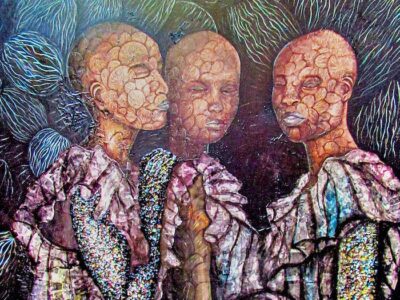
The luthier of Ndjili
He taught for thirteen years before going back to what he had built as a boy. In a scrap-metal workshop behind Liberty Market, he winds his own strings on a machine he invented, cuts a neck from a block with a machete, and works with three tools that do most of the job. His son is his last apprentice. His youngest child already plays as if the guitar were a first language. We went early, stayed long, and came home with a morning we are still thinking about. Read more: The luthier of Ndjili
-
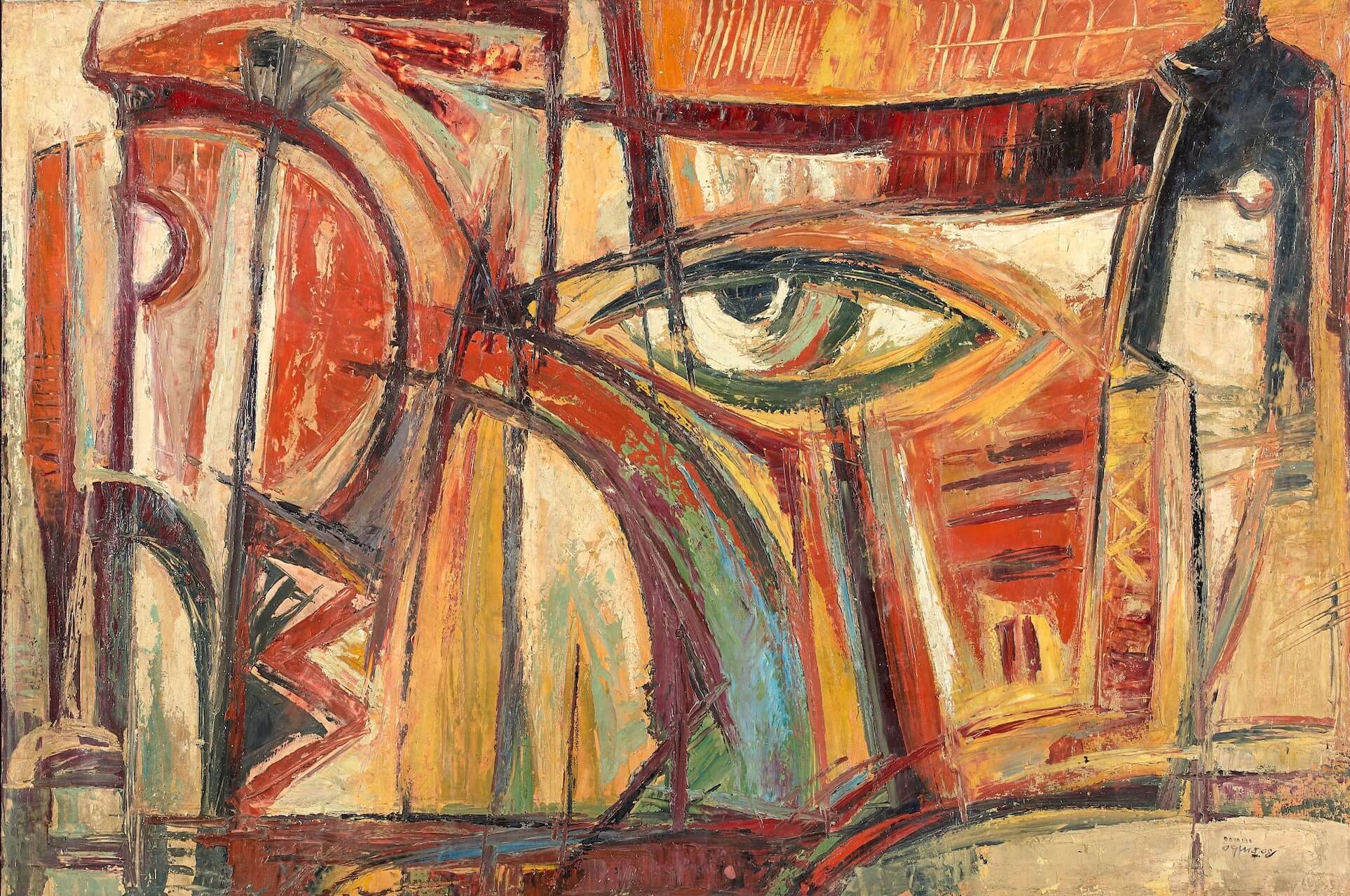
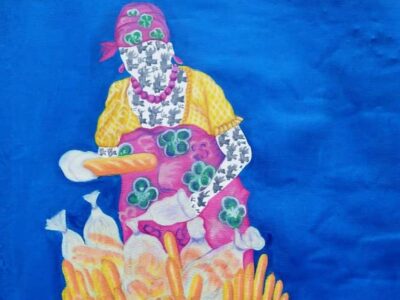
Roger Botembe and the Trans-Symbolic
A beautiful woman: everyone will admire her, even with a bad character. And a woman very ugly on the outside, but very beautiful within. With that parable, filmed near the end of his life, the Kinshasa painter Roger Botembe defined the doctrine of his career: judge a painting the way you judge a person, by what it holds, not by its skin. He named the doctrine trans-symbolism, a decade after Baudrillard set down a neighboring word for the opposite idea. Whether he ever knew, the record does not say. Read more: Roger Botembe and the Trans-Symbolic
-

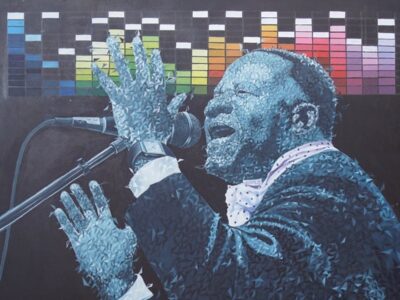
Her name was Boali
The photograph exists because a father from Wala decided that his daughter’s limbs should not remain private receipts of the company’s shortfall. He carried them to the house that stood outside the system, the one place that kept records and made images that could leave the forest. What he hoped would follow is not in the record. Everything that did follow belonged to others. He came into the archive carrying the heaviest thing in the world and left it with one sentence. Read more: Her name was Boali
Featured Artists