Article 15, Débrouillez-vous by Chéri Chérin
Essays

Article 15: The Unwritten Constitution of the Congo

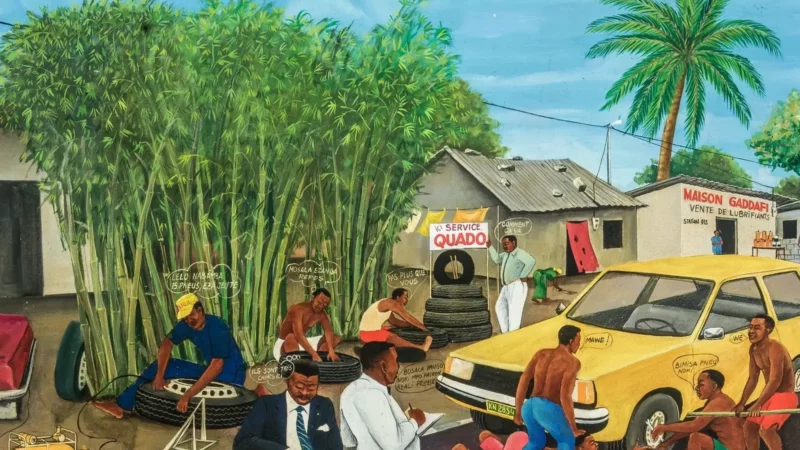
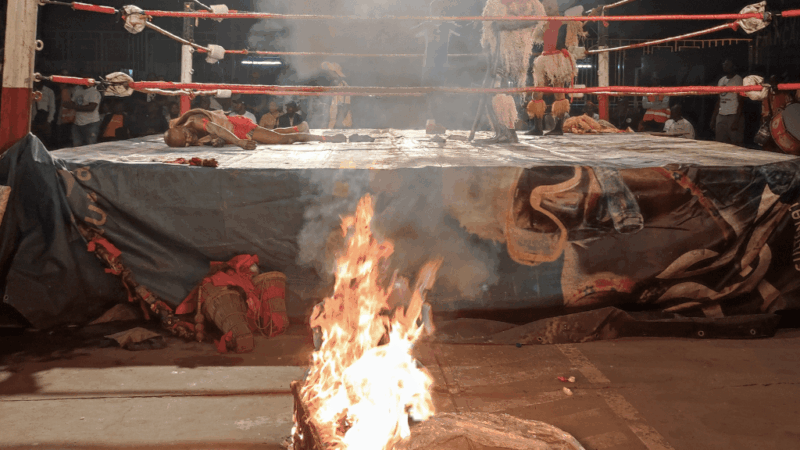
When the state provides nothing, you seize what you can and invent the rest. To exist in Kinshasa is to live by Article 15: Débrouillez-vous. Explore the unwritten constitution of the Congo, where the daily hustle dictates everything from a policeman’s traffic ticket to the art sold in local ateliers. Step off the main boulevards to discover how this relentless pressure acts as the invisible gears keeping millions alive while the elites watch from the hills.
No Comments Read More
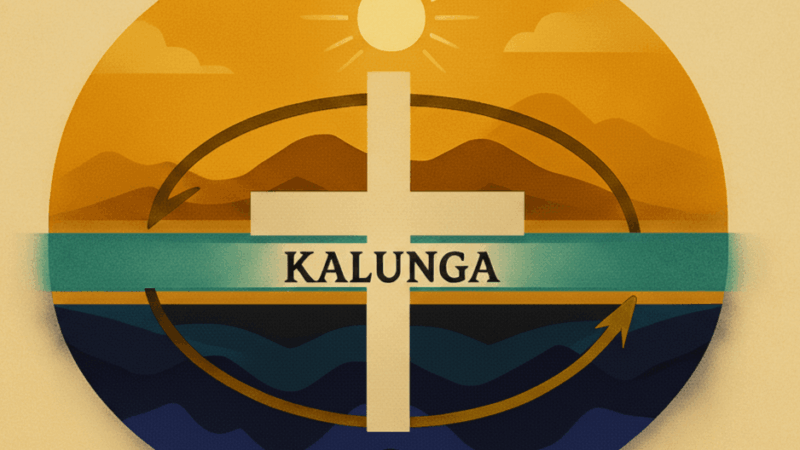
Illustration of the Kongo cosmogram: a cross labeled Kalunga dividing a sunlit mountain world above from dark waters below, encircled by a cyclical arrow.
Essays

The Other Cross: A Journey into Kongo Cosmology

The cross was everywhere in the Kingdom of Kongo, and for the European missionaries who found it, the meaning was obvious. It was a sign from their God, a relic of a shared past.
They saw everything but the truth.
For the Bakongo people, this symbol was no mere icon. It was a key; a map that unlocked the path of the soul, the journey of the sun, and the very structure of the universe. This is the story of a truth hidden in plain sight, and the world that comes into view when we learn to see it through the eyes of “the insiders.”

2 Comments Read More
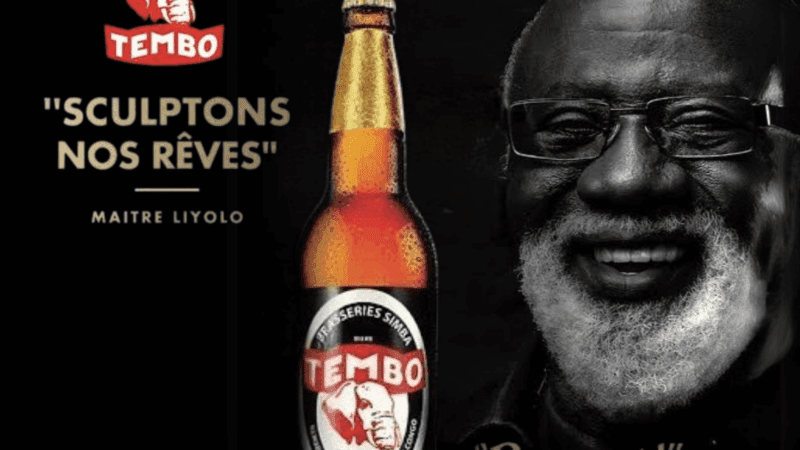
Tembo beer tribute graphic honoring Maître Liyolo, showing a bottle beside a smiling portrait of the sculptor with the slogans 'Sculptons nos rêves' and 'Respect!'.
Essays

From Bolobo to Kōkyo: An Homage to Alfred Liyolo

Walk through Kinshasa today, and you’ll encounter Alfred Liyolo’s legacy in two forms: bronze sculptures gracing public squares and his smiling face on Tembo beer advertisements throughout the city. That a beloved Congolese beer brand chose an artist to represent their product speaks volumes about how Liyolo captured the nation’s heart.
The journey from Bolobo, a humble riverside town on the Congo River where Liyolo was born in 1943, to Kokyo (Tokyo’s Imperial Palace) where he became the first and only African artist ever received by Emperor Akihito, is extraordinary. This is the story of how a grandson of an ivory carver transformed bronze into bridges between worlds, proved that art could speak to emperors and common people alike, and became a symbol of Congolese pride served with every bottle of beer in the nation’s capital.

Read More
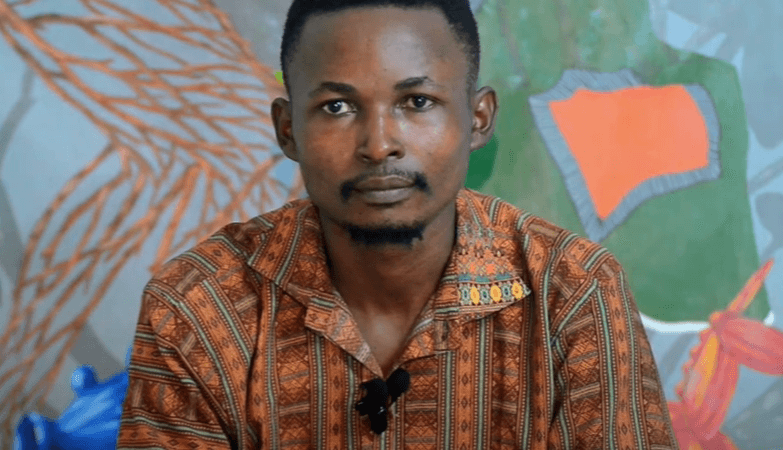
an image of the congolese artist Phinet kisimba talking about one of his artworks on video
Meet the Artwork

“Rites de Passage” by Phinet Kisimba

Phinet Kisimba returns with a quieter painting than Sala Po Ozala and a harder subject. A woman in a yellow turban sits thinking against a red that stands for her period, while the ceremony that once would have guided her hangs on the wall in a frame. In the video, Kisimba calls on mothers and wise women to take back a role that has lapsed: menstruation, he says, is not a taboo subject.

Read More
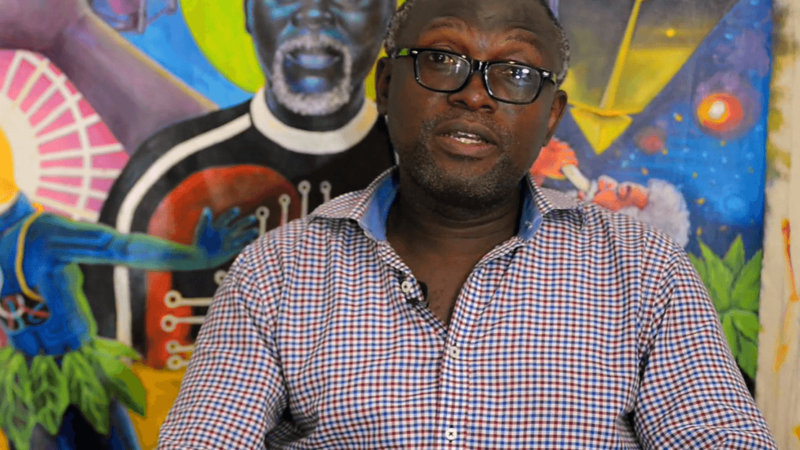
Congolese artist Gédéon Ndonda wearing a checkered shirt and glasses, sitting in front of a colorful painting. The artwork behind him features a striking figure with glowing eyes, abstract elements, and vivid colors, blending futuristic and traditional themes.
Meet the Artwork

“Le Réveil d’un Géant” by Gédéon Ndonda

Gédéon Ndonda introduces himself in the video with one commitment: he paints in the style populaire. In Le Réveil d’un Géant (oil on canvas, one meter square), his one-sentence message, that Africans should wake up and take their destiny into their own hands, becomes literal painted hands: one balancing the Earth on its fingertips, one lying open beneath a circuit board, while an old merman at the edge of the scene raises a horn to his lips.

Read More
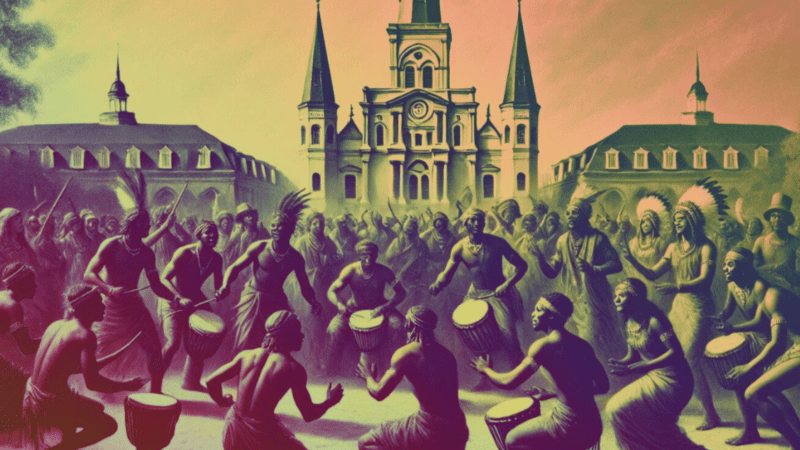
An AI-generated painting depicting African slaves from the Kingdom of Kongo dancing and playing drums in Congo Square, New Orleans. The scene is set in front of the historic St. Louis Cathedral, with a large gathering of people in traditional attire, evoking the vibrant cultural traditions preserved through music and dance.
Essays

Dancing in Congo Square

There is a place in New Orleans called Congo Square. Its name doesn’t come from diplomatic relations or cultural exchange between Congo and USA, but from the suffering and resilience of enslaved Africans, primarily from the Kingdom of Kongo. In the heart of a segregated city, this open space became a sanctuary where, on “free Sundays,” enslaved people and Native Americans could gather to perform sacred rituals, trade goods, share stories, and dance to the rhythms of their ancestral lands. What tourists now celebrate as the birthplace of jazz was once dismissively known as “the Negro place”—a designation that attempted to diminish its significance but inadvertently marked the spot where one of America’s greatest cultural transformations would emerge. This is the story of how a place of oppression became a crucible of creativity, where the traditions of the Kongo Kingdom met Native American customs and European influences to create something entirely new.

No Comments Read More
Glory Kanga talking about his new artwork: Return to the nature
Meet the Artwork

“Recours à la Tradition” by Glory Kanga

Glory Kanga calls himself an artiste classicien écologiste and has committed his painting entirely to the bond between man and the environment. In Recours à la Tradition (acrylic on canvas, 150 by 130 centimeters), a man woven from strips of wood bends over a steaming basin, head under a cloth. In a short video, Kanga explains the likeness of life that holds the painting together.

No Comments Read More
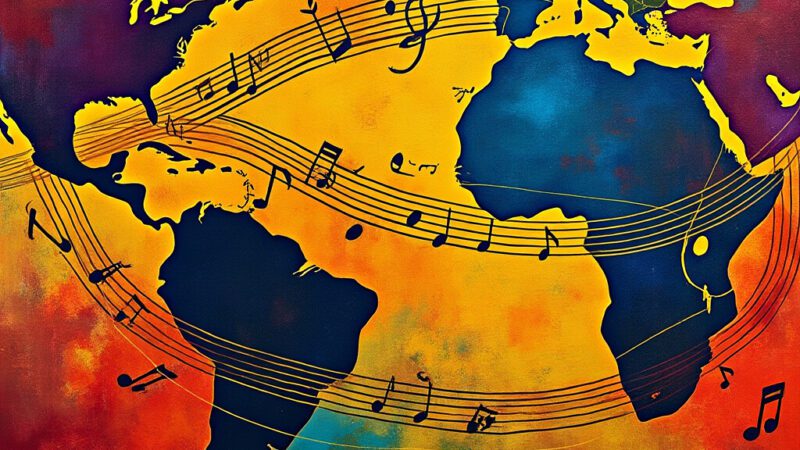
A vibrant artistic representation of a world map, focusing on Africa and the Americas, with flowing musical notes connecting the continents. The warm color palette of yellow, red, and blue symbolizes cultural exchange, particularly the African influence on music genres across the Atlantic, such as jazz, blues, rumba, and reggae.
Essays

The Cultural Odyssey of Congolese Rumba

Born in Central Africa, transformed in Cuba’s plantations, and reborn in Kinshasa’s streets, Congolese rumba carries centuries of history in its rhythms. From Wendo’s “Marie-Louise” to Fally Ipupa’s modern interpretations, discover how a sacred dance became a global cultural treasure that continues to move hearts and feet across continents.
Whether you’re already dancing to Franco’s guitar solos or have never heard of Papa Wembe, this story will transform your understanding of this remarkable music. Beyond the infectious rhythms lies a tale of cultural resilience and creative fusion that crossed oceans and centuries to become the soundtrack of generations. So settle in, maybe put on some rumba, and join us on this cultural odyssey.

No Comments Read More
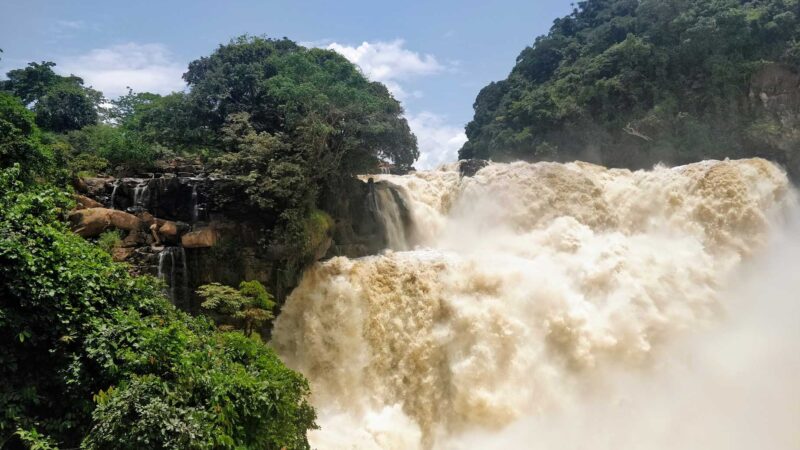
Zongo Falls. From inkisi River. Near to Kinshasa in the democratic republic of congo DRC
Essays

Zongo Falls: The Cradle and the Grave

We went to Zongo years ago and left thinking we saw a beautiful landscape. What we did not know was that we were standing on sacred ground.
In Kongo memory, this stretch of forest and river is remembered as a beginning of humanity. And as the grave of the religion that declared it sacred.

No Comments Read More
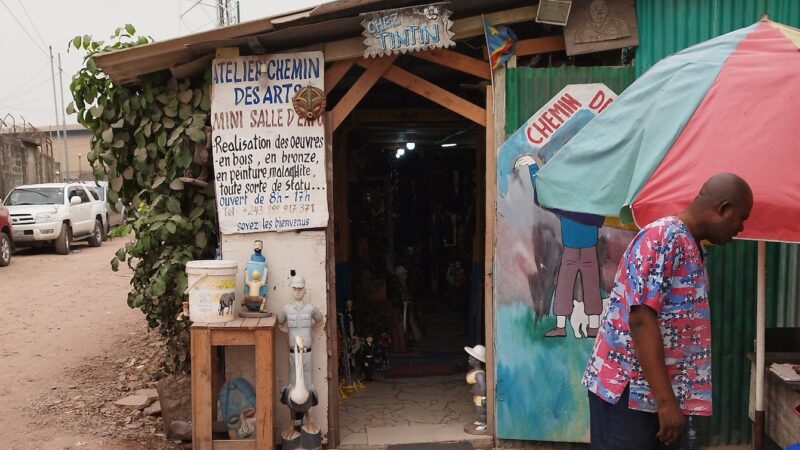
Auguy standing proudly in front of his atelier, surrounded by his sculptures and artworks, showcasing his dedication to preserving Congo's cultural heritage.
Interviews

A Conversation on Sculpting and Mentorship with Auguy Kakese

Stepping into Auguy’s atelier, you’re immediately engulfed by a vibrant display of artistry, with sculptures and paintings narrating a myriad of stories. While internationally recognized for his Tintin figures, Auguy’s journey is much deeper, rooted in the rich cultural heritage of the Congo. From being mentored by masters of Kuba Kasai art, nurturing young talent despite the challenges, to redefining his Tintin sculptures to depict a rising Africa, Auguy’s work is a testament to perseverance, creativity, and a profound commitment to preserving cultural legacy. Discover the inspiring journey of this remarkable artist in our interview.

Read More
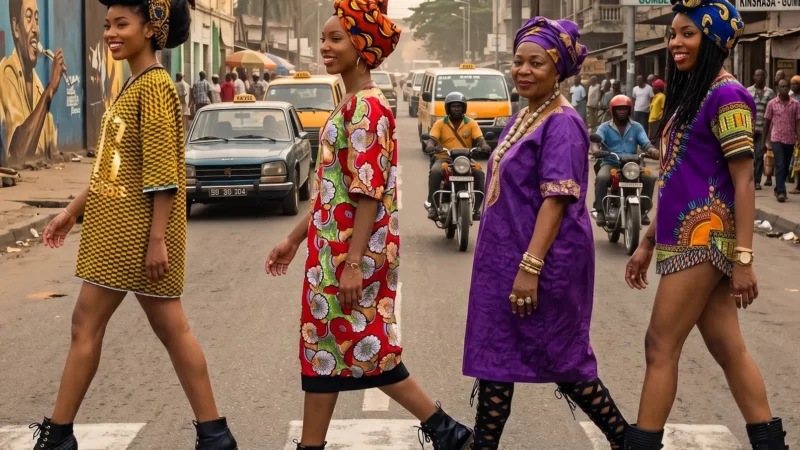
4 women wearing pagne in the streets of kinshasa
Essays

Pagne: More Than Fashion

In Congo, pagne feels at home. It belongs to mothers and aunties, to weddings and mourning, to church and family. Few think of Indonesia, Dutch factories, or European trade routes. Yet wax-resist came from Java, printing from Dutch and English mills, and many patterns from Indonesia. This print was not born in Africa. The African story begins after printing: in the market, the naming, the tailoring, the ceremony, the body. The cloth came off a machine. The garment did not. It was talked into being.

No Comments Read More