orchestre symphonique kimbanguiste
Essays

The Nganga, the Prophet, and the Orchestra

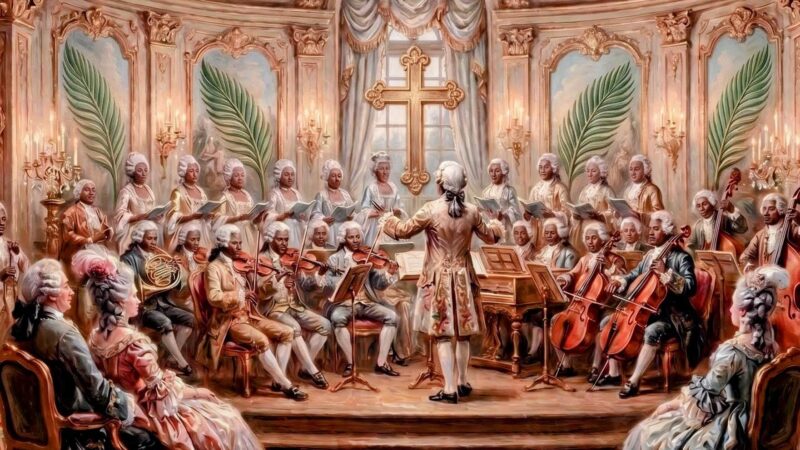
The Europeans in the audience were hearing an African orchestra play European music. The musicians on stage were playing Christian music. I sat between those two sentences for an evening in Kinshasa in November 2022, and have been turning them over ever since. The story of how the Orchestre Symphonique Kimbanguiste came to play Rodrigo in a wedding hall runs back to 1706, to a Kongolese woman burned at the stake for preaching in her own language, and forward through a century of a faith the West has never quite known how to hear.
No Comments Read More
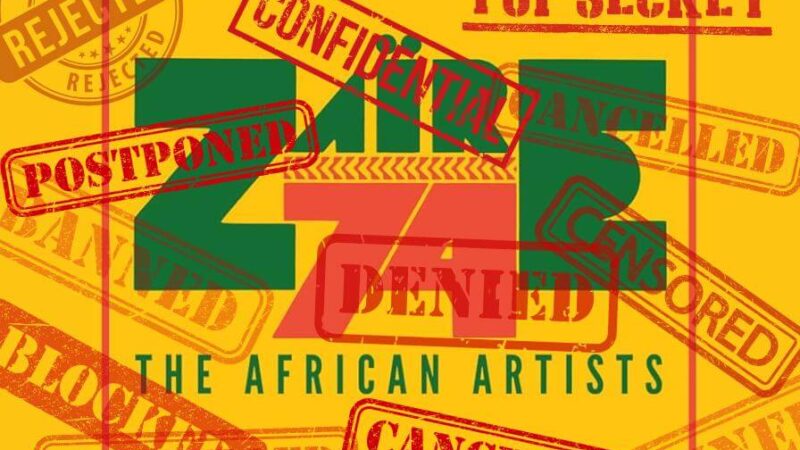
Album cover zaire 74 the african artists full of rejected, denied, banned, etc stamps
Essays

The Gift and the Void: The Delayed Legacy of Zaire 74

I have already written about the Rumble in the Jungle, or rather how it was neither rumble nor jungle but a clash of two titans on sacred ground in Kinshasa. I have also written about the long rivalry between Franco and Tabu Ley, how their competition bent Congolese rumba into new shapes.
Once those two stories sit side by side, Zaire 74 is no longer background. It becomes the missing piece between the fight and the music, the nights when Ali’s city opened itself, gave its best, and then watched much of it disappear into a vault. This piece follows that trail into the stadium and into the tapes that slept for decades. If you want to know how a homecoming could turn into a silence, read on.

No Comments Read More
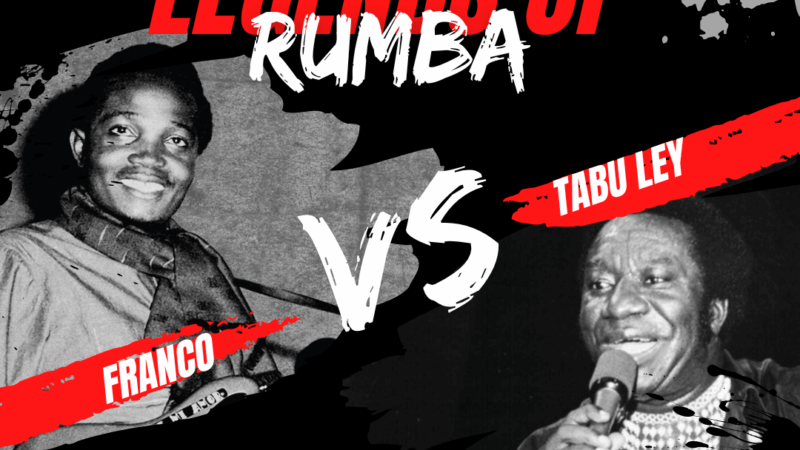
Franco vs Tabu Ley
Essays

The Sorcerer and the Showman: Thirty Years of Rumba War in the Congo

Every music has its moment of transformation. For Congolese Rumba, that moment lasted thirty years.
This is the story of an evolution fueled not by harmony, but by the friction between two monumental figures: Franco Luambo Makiadi and Tabu Ley Rochereau. From 1960 to 1989, they defined the sound of Kinshasa. Franco, the “Sorcerer,” rooted his music in a deep, hypnotic street groove. Tabu Ley, the “Showman,” answered with accelerated tempos and international flair.
This is how progress works: through creative tension. Explore the explosive decades where their rivalry became an unintentional collaboration. They revolutionized the Sebene, ignited the spark of Soukous, and together expanded the boundaries of African music.

Read More
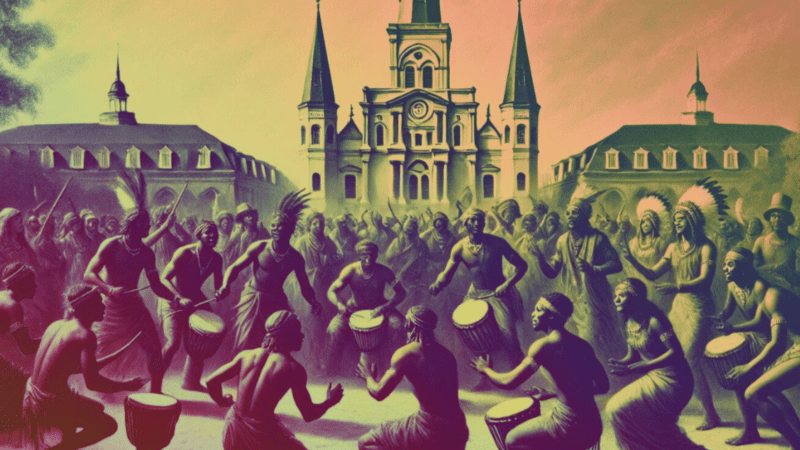
An AI-generated painting depicting African slaves from the Kingdom of Kongo dancing and playing drums in Congo Square, New Orleans. The scene is set in front of the historic St. Louis Cathedral, with a large gathering of people in traditional attire, evoking the vibrant cultural traditions preserved through music and dance.
Essays

Dancing in Congo Square

There is a place in New Orleans called Congo Square. Its name doesn’t come from diplomatic relations or cultural exchange between Congo and USA, but from the suffering and resilience of enslaved Africans, primarily from the Kingdom of Kongo. In the heart of a segregated city, this open space became a sanctuary where, on “free Sundays,” enslaved people and Native Americans could gather to perform sacred rituals, trade goods, share stories, and dance to the rhythms of their ancestral lands. What tourists now celebrate as the birthplace of jazz was once dismissively known as “the Negro place”—a designation that attempted to diminish its significance but inadvertently marked the spot where one of America’s greatest cultural transformations would emerge. This is the story of how a place of oppression became a crucible of creativity, where the traditions of the Kongo Kingdom met Native American customs and European influences to create something entirely new.

No Comments Read More
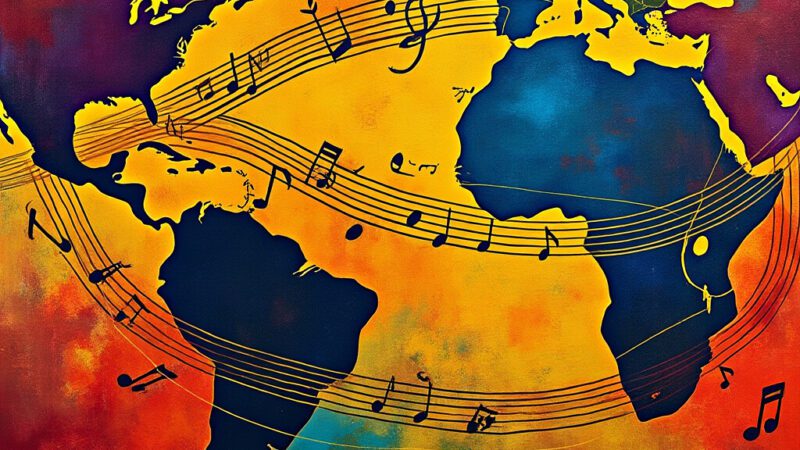
A vibrant artistic representation of a world map, focusing on Africa and the Americas, with flowing musical notes connecting the continents. The warm color palette of yellow, red, and blue symbolizes cultural exchange, particularly the African influence on music genres across the Atlantic, such as jazz, blues, rumba, and reggae.
Essays

The Cultural Odyssey of Congolese Rumba

Born in Central Africa, transformed in Cuba’s plantations, and reborn in Kinshasa’s streets, Congolese rumba carries centuries of history in its rhythms. From Wendo’s “Marie-Louise” to Fally Ipupa’s modern interpretations, discover how a sacred dance became a global cultural treasure that continues to move hearts and feet across continents.
Whether you’re already dancing to Franco’s guitar solos or have never heard of Papa Wembe, this story will transform your understanding of this remarkable music. Beyond the infectious rhythms lies a tale of cultural resilience and creative fusion that crossed oceans and centuries to become the soundtrack of generations. So settle in, maybe put on some rumba, and join us on this cultural odyssey.

No Comments Read More
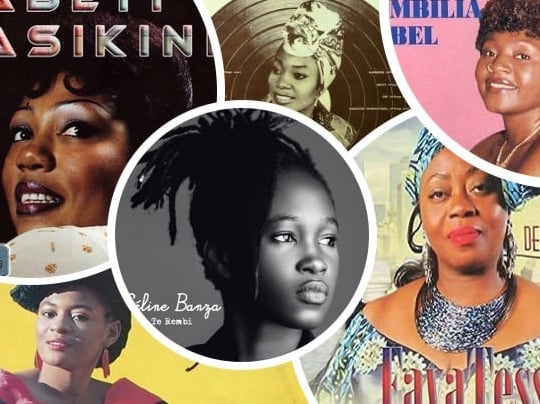
Faces of famous congolese female musicians
Essays

The Women Rumba Left Behind

How many Congolese female rumba singers can you name? Most readers get stuck at two or three. The 1980s had six women working at the top of the genre at the same time. The 2020s have two. This article walks through seventy years of female voices in Congolese rumba, from Lucie Eyenga, who recorded in 1950s Léopoldville, to Cindy le Cœur, who fronts Koffi Olomide’s Quartier Latin now, and asks what these women had to do to be heard, and why so few are still doing it.

Read More