
Skip to content
The untold story of antoinette lubaki
Investigations

The Untold Story of Antoinette Lubaki: Congo’s Avant-Gardist Female Artist

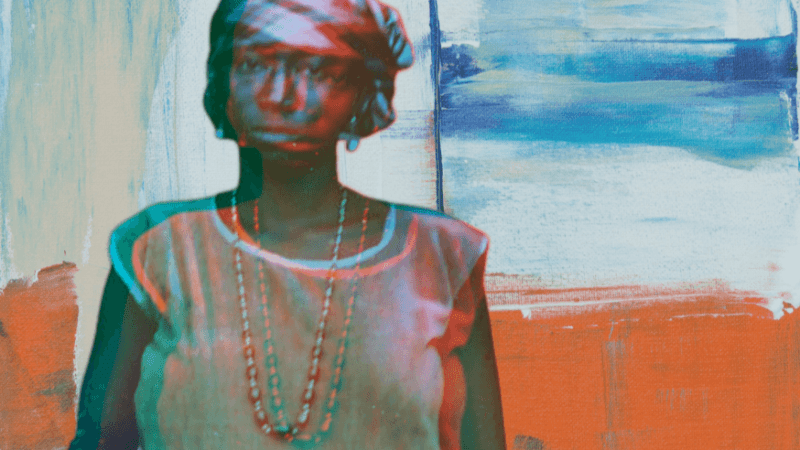
Ever heard of Antoinette Lubaki? The first female Congolese painter in history and a revolutionary force in 1920s African art? While her name has faded from mainstream art history, her story pulses with drama, innovation, and defiance. A chief’s daughter whose extraordinary murals in a remote Congolese village caught the eye of a Belgian administrator, she was thrust into Europe’s prestigious galleries, only to face systematic erasure of her identity and artistic autonomy. Through vibrant watercolors, she seamlessly merged Congolese traditions with modernist sensibilities, challenging gender prejudices, colonial expectations, and artistic conventions. Her unique visual language spoke of resilience and cultural pride, earning her international recognition. Her meteoric rise in the art world came to an abrupt end in the 1930s when her art supplies were suddenly cut off—a stark reminder of how easily artistic voices could be silenced. Here, finally, is her story…
Pinned
1 Comment Read More
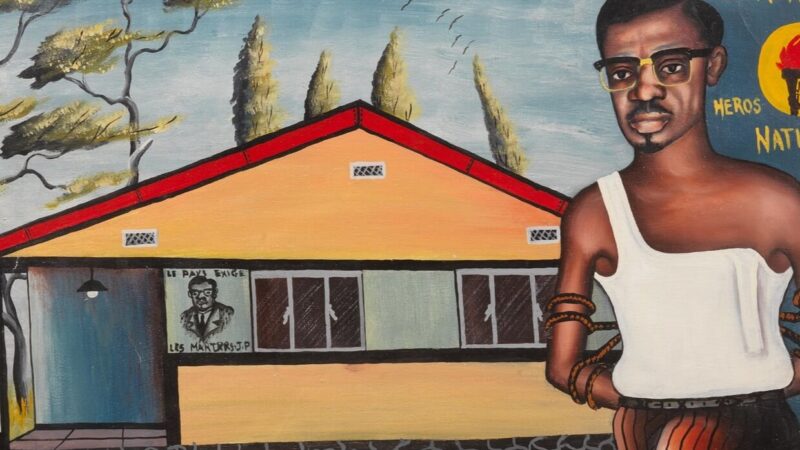
A painting by Tshibumba Kanda Matulu depicting Patrice Lumumba, bound and wearing a torn white tank top, standing in front of a house. The artwork includes text honoring Lumumba as a national hero and references his unmarked grave in Lubumbashi.
Investigations

A Visual Tour of Congo History (Part 2): Patrice Lumumba – The Making of an African Legend

Through TKM’s extraordinary paintings, we pay homage to Patrice Lumumba, 64 years after his assassination. Here was a man whose words proved so dangerous that his enemies not only killed him, but tried to erase every trace of his existence – dissolving his body in acid and mysteriously “losing” nearly all recordings of his powerful speeches. Malcolm X called him “the greatest black man who ever walked the African continent,” yet his story remains surprisingly undertold. Following TKM’s visual testament, we uncover the journey of an African hero who dared to speak truth to power, who fought with words rather than weapons, and whose vision of true independence was so threatening that even six decades later, we’re still discovering how thoroughly his voice was suppressed. This is not just a retelling of history, but a tribute to a man whose dream of African dignity and real freedom remains as vital today as it was in 1961.

No Comments Read More
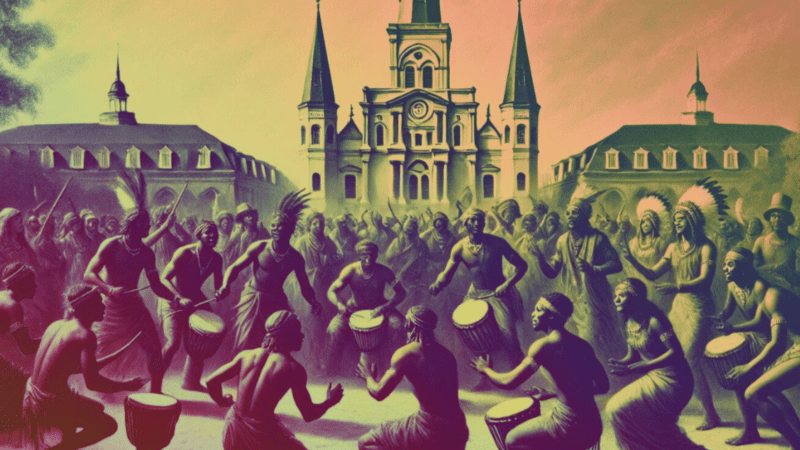
An AI-generated painting depicting African slaves from the Kingdom of Kongo dancing and playing drums in Congo Square, New Orleans. The scene is set in front of the historic St. Louis Cathedral, with a large gathering of people in traditional attire, evoking the vibrant cultural traditions preserved through music and dance.
Histories

Dancing in Congo Square

There is a place in New Orleans called Congo Square. Its name doesn’t come from diplomatic relations or cultural exchange between Congo and USA, but from the suffering and resilience of enslaved Africans, primarily from the Kingdom of Kongo. In the heart of a segregated city, this open space became a sanctuary where, on “free Sundays,” enslaved people and Native Americans could gather to perform sacred rituals, trade goods, share stories, and dance to the rhythms of their ancestral lands. What tourists now celebrate as the birthplace of jazz was once dismissively known as “the Negro place”—a designation that attempted to diminish its significance but inadvertently marked the spot where one of America’s greatest cultural transformations would emerge. This is the story of how a place of oppression became a crucible of creativity, where the traditions of the Kongo Kingdom met Native American customs and European influences to create something entirely new.

No Comments Read More

Sign In

Register

Reset Password

Please enter your username or email address, you will receive a link to create a new password via email.