Skip to content
Histories

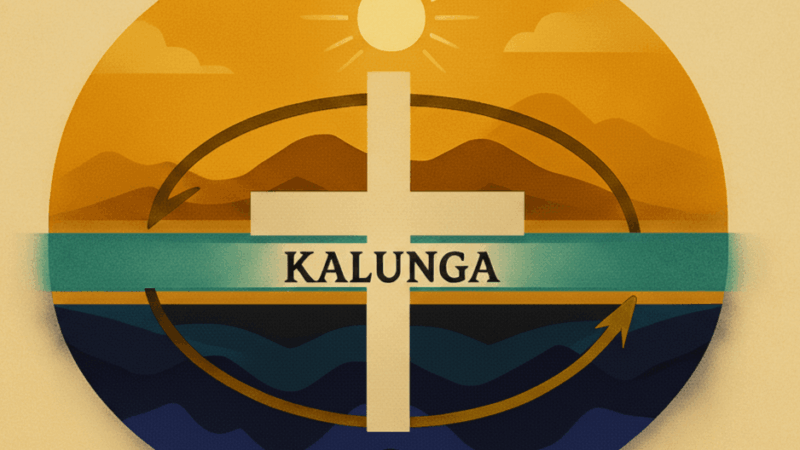
The Other Cross: A Journey into Kongo Cosmology

The cross was everywhere in the Kingdom of Kongo, and for the European missionaries who found it, the meaning was obvious. It was a sign from their God, a relic of a shared past.
They saw everything but the truth.
For the Bakongo people, this symbol was no mere icon. It was a key; a map that unlocked the path of the soul, the journey of the sun, and the very structure of the universe. This is the story of a truth hidden in plain sight, and the world that comes into view when we learn to see it through the eyes of “the insiders.”
2 Comments Read More
Histories

From Bolobo to Kōkyo: An Homage to Alfred Liyolo

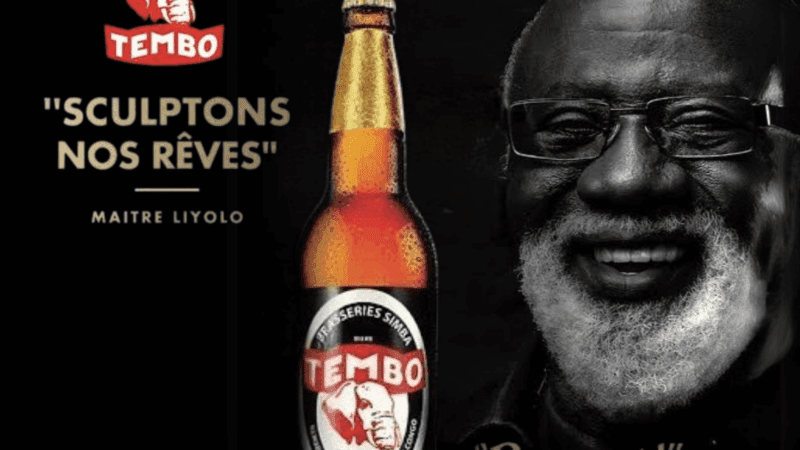
Walk through Kinshasa today, and you’ll encounter Alfred Liyolo’s legacy in two forms: bronze sculptures gracing public squares and his smiling face on Tembo beer advertisements throughout the city. That a beloved Congolese beer brand chose an artist to represent their product speaks volumes about how Liyolo captured the nation’s heart.
The journey from Bolobo, a humble riverside town on the Congo River where Liyolo was born in 1943, to Kokyo (Tokyo’s Imperial Palace) where he became the first and only African artist ever received by Emperor Akihito, is extraordinary. This is the story of how a grandson of an ivory carver transformed bronze into bridges between worlds, proved that art could speak to emperors and common people alike, and became a symbol of Congolese pride served with every bottle of beer in the nation’s capital.

Read More
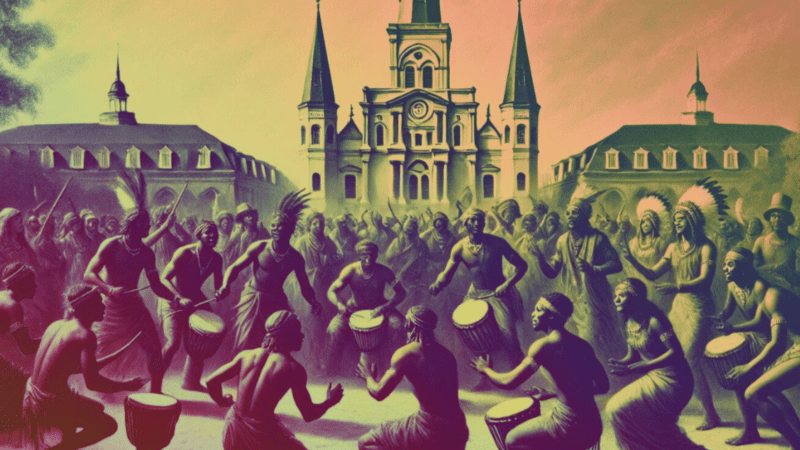
An AI-generated painting depicting African slaves from the Kingdom of Kongo dancing and playing drums in Congo Square, New Orleans. The scene is set in front of the historic St. Louis Cathedral, with a large gathering of people in traditional attire, evoking the vibrant cultural traditions preserved through music and dance.
Histories

Dancing in Congo Square

There is a place in New Orleans called Congo Square. Its name doesn’t come from diplomatic relations or cultural exchange between Congo and USA, but from the suffering and resilience of enslaved Africans, primarily from the Kingdom of Kongo. In the heart of a segregated city, this open space became a sanctuary where, on “free Sundays,” enslaved people and Native Americans could gather to perform sacred rituals, trade goods, share stories, and dance to the rhythms of their ancestral lands. What tourists now celebrate as the birthplace of jazz was once dismissively known as “the Negro place”—a designation that attempted to diminish its significance but inadvertently marked the spot where one of America’s greatest cultural transformations would emerge. This is the story of how a place of oppression became a crucible of creativity, where the traditions of the Kongo Kingdom met Native American customs and European influences to create something entirely new.

No Comments Read More

Sign In

Register

Reset Password

Please enter your username or email address, you will receive a link to create a new password via email.