
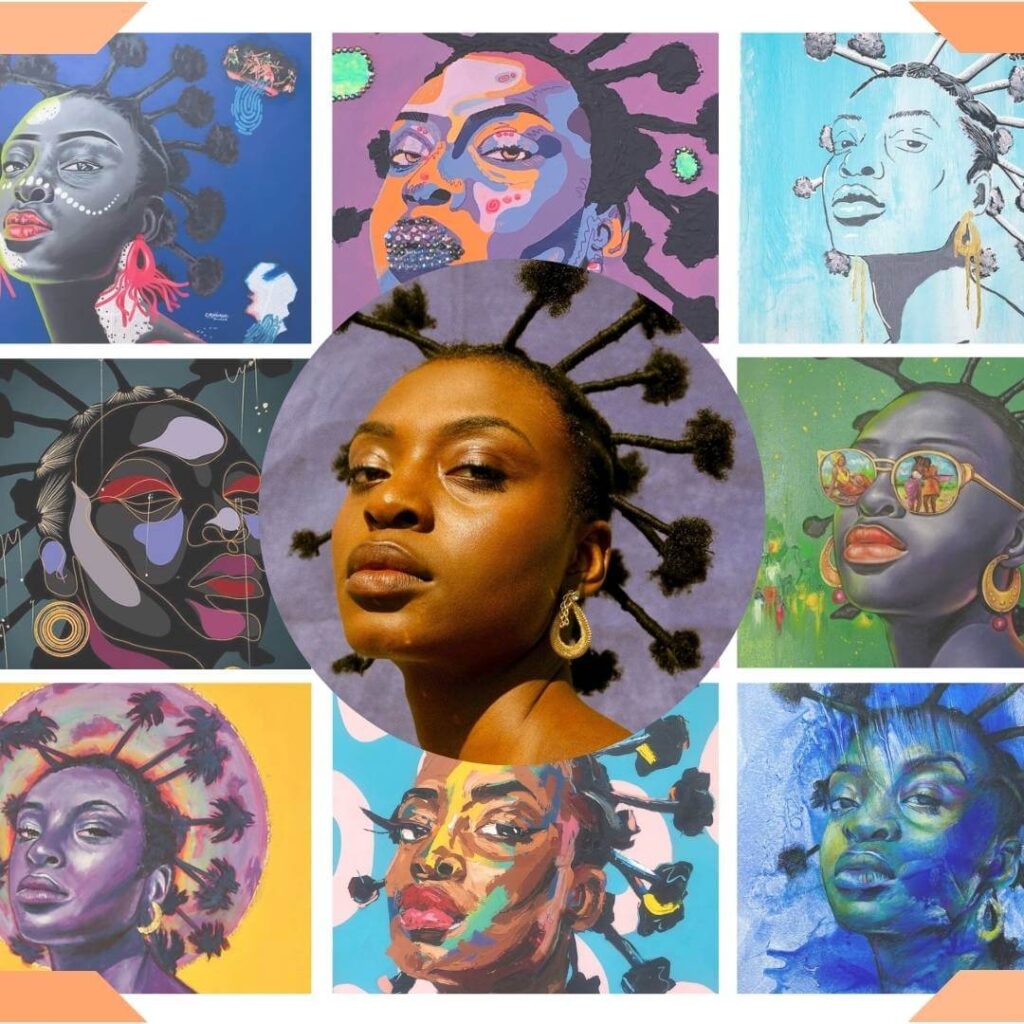
There are not many galleries in Kinshasa, and after an afternoon among them you begin to recognize the same woman. She is on one wall, and then, slightly altered, on the next, and again in the gallery down the street. Dark skin. The hair twisted into points that open around the head like a fan. The eyes turned just off the line of your own, so that she looks at something beside you while you look at her. Around the face the painter arranges small differences: the background moved from yellow to green, a bead added at one ear, sunglasses with a little landscape painted inside the lens, a row of dots along the cheekbone. The ornament changes from canvas to canvas. The face does not. She has no name on the wall, and no one in the room expects her to have one. She is a type; the kind that sells.
The sameness raises a question the galleries avoid: who is that woman? The market that asks for an exotic woman also rewards the painter for making her anonymous, repeatable, and, often enough, lifted from someone else’s photograph. What hangs on the wall is a portrait with no sitter and an original with no originality, sold by a gallery that would rather not ask which it is.
The Colonial Postcard
The exotic type has a history, and not a flattering one. Colonial postcards, printed across Africa from the 1890s into the independence years and sold by the thousand, turned the people in front of the lens into specimens. The Library of Congress, which holds a large archive of them, including cards from the Belgian Congo, states it plainly: the genre objectified African people as racial or ethnic “types” and spread some of the most offensive stereotypes about the continent, many of them still in circulation. Women were a preferred subject: photographed undressed, arranged for the European market, printed cheaply, collected, mailed, pasted into albums. The point of the postcard was that a person could be owned as an image and carried home.
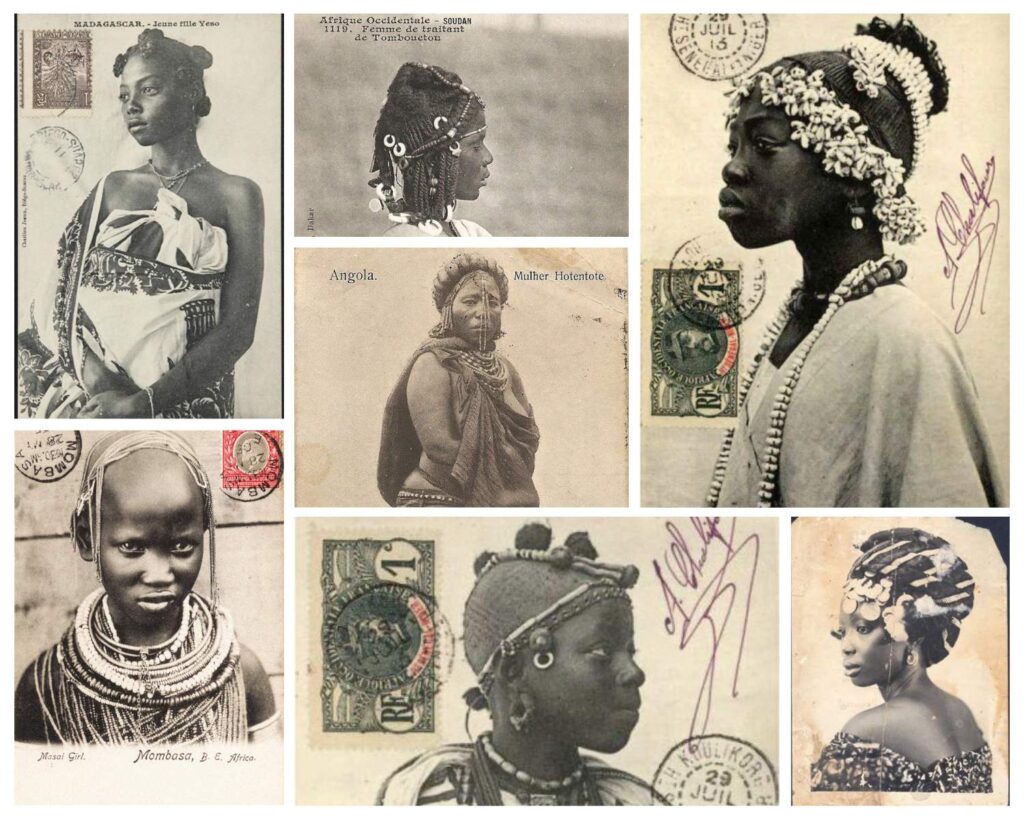
The painting on the gallery wall today is the postcard’s descendant. A different object, made by different hands, and the inheritance is heavy all the same: the anonymous woman, the exotic image made portable, the buyer who carries her home. The postcard was made by a European behind a camera. The painting is made by a Congolese hand, for a European wallet. The labor moved. The demand did not.
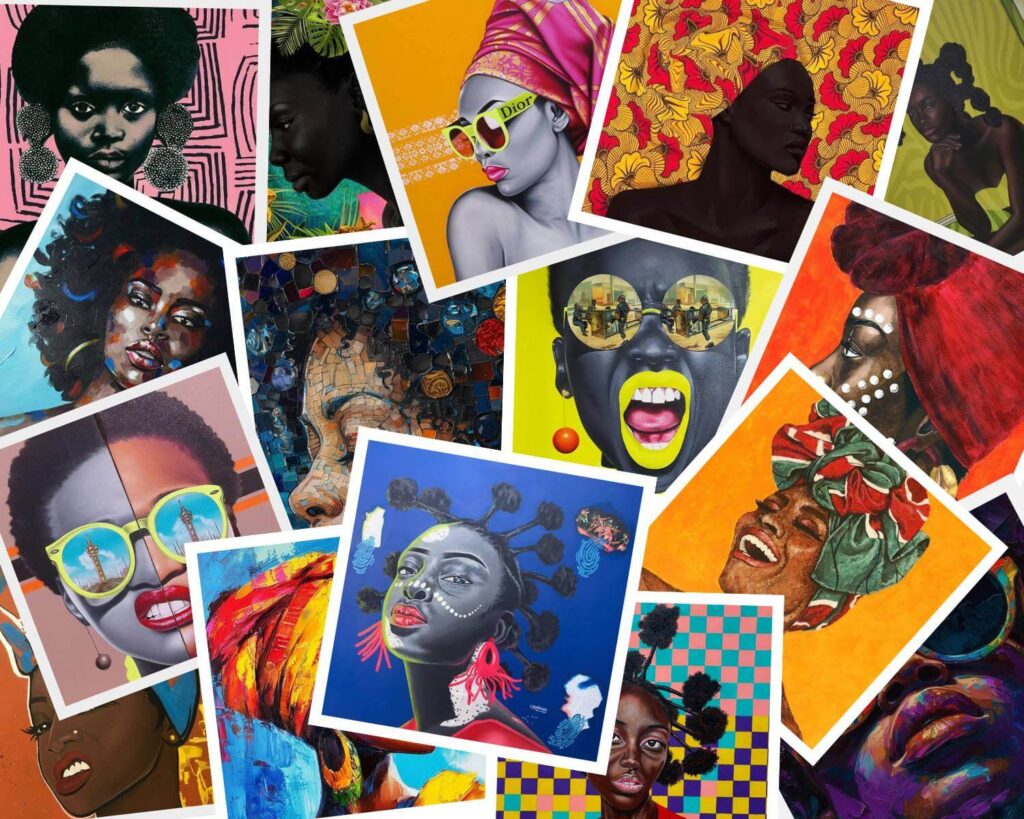
A major artist has put a name to this reduction. Wangechi Mutu, the Kenyan painter who builds her collages out of the fashion, medical, and ethnographic images that have always pictured African women, describes the Black female body as something “prepared for display as an artifact, a totem, a specimen.”[1] The postcard did that. The painting still does.
Why the Market Buys It
The type persists because it sells. Everything else follows from that. The galleries that carry it run on foreign buyers, and many of them arrive having already decided what Africa is and wanting a portable version to take home. A real portrait would interfere. A real portrait comes with a person inside it: a name, a history, perhaps a claim on the conscience of the man paying. The type comes with none of that. It asks only to be wanted, and it is easy to want. So the galleries hang it, the painters who have to eat produce it, the buyer pays and carries it to the airport, and by the next morning another is on the wall.
Repetition on its own proves nothing. A gallery can sell a hundred versions of one cliché without selling a single copied image. But some of these faces have passed through the market so many times that everyone in the local scene knows them on sight, and a director who has watched the same face come and go that often cannot keep calling the repetition innocent. At some point, not asking becomes a policy.
From Cliché to Copy
Painters have always worked from references, and nothing is wrong with that. The line falls at concealment: a source image reproduced almost exactly, stripped of its photographer, its sitter, its context, and then sold as the painter’s own invention.
Two kinds of painter work this corner of the market. Some copy because the market has left them little else that pays. The harder case is the other one, the painter with real skill who drifted into copying because copying paid and invention did not. A market that takes people who can paint and teaches them not to is its own kind of verdict.
The Evidence: Reverse-Searching the Paintings
The copying can be shown directly, and the method is simple enough that anyone can repeat it. I took several market paintings of African women, removed the added colors and patterns that disguise the underlying image, and ran what was left through a reverse-image search. This does not prove that every stylized portrait is copied, and reverse search misses far more than it finds. When it returns a match, though, the match is hard to dismiss.
The added marks were never only decoration. Laid over a face, they broke the link between the painting and any findable source, and for a long time that was enough. That protection is gone. Strip the marks back and a reverse search can surface the photograph underneath, and from there the trail runs to the photographer, and sometimes to her.
The matches were exact: the same composition, pose, and framing as a photograph circulating online, usually surfaced through Pinterest or a similar platform, its photographer long since stripped away. The image below shows one of these women: the source photograph at the center, ringed by paintings of her sold as original work.
Set the two halves side by side and the copying gives up its method. The match is not only pose and composition. It reaches the creases at the corner of an eye, the fold beside a nose, the exact line of an open mouth, each falling on the photograph edge for edge. A freehand copy drifts on details this small. These do not. That kind of exactness comes from one thing only: the photograph transferred onto the canvas and painted over.
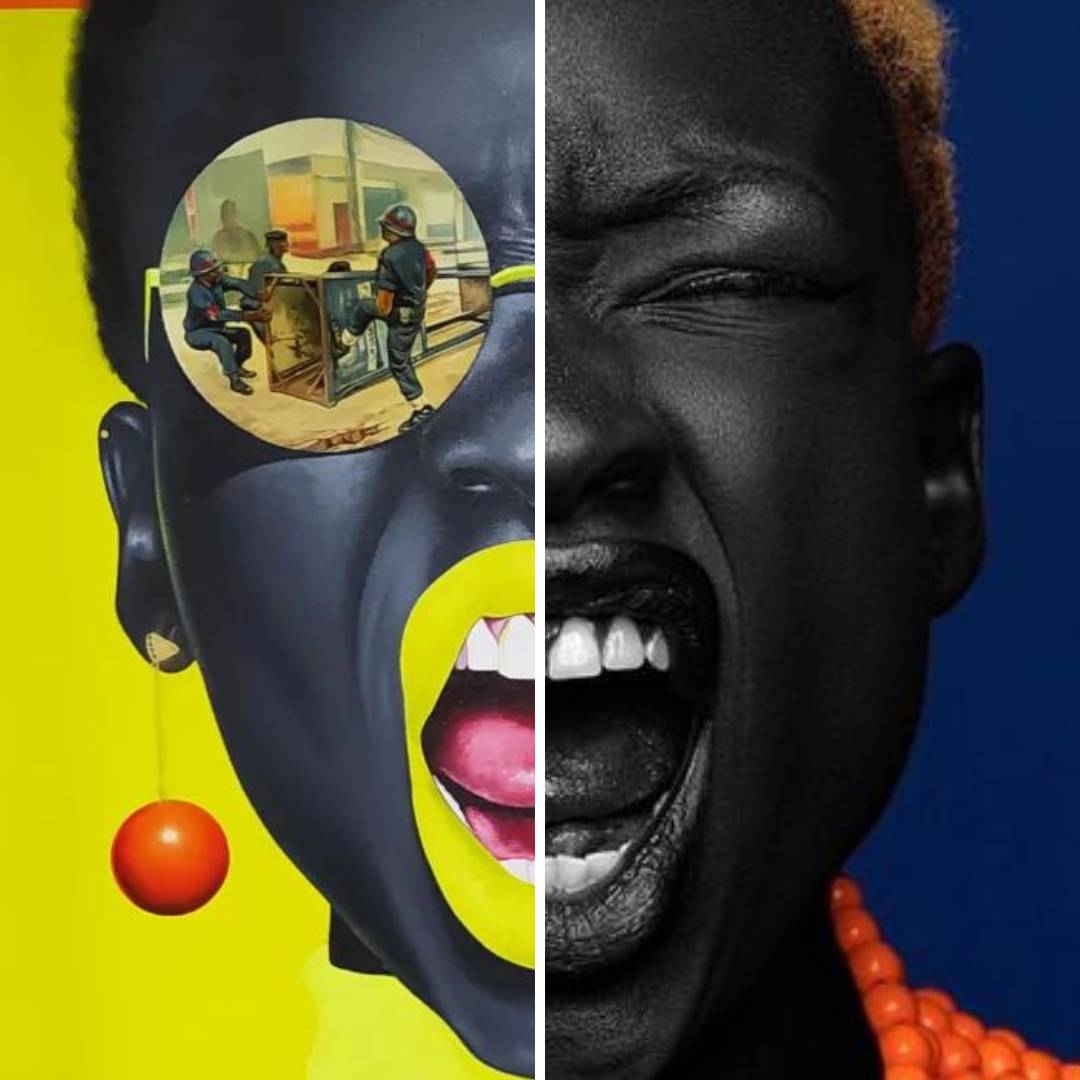
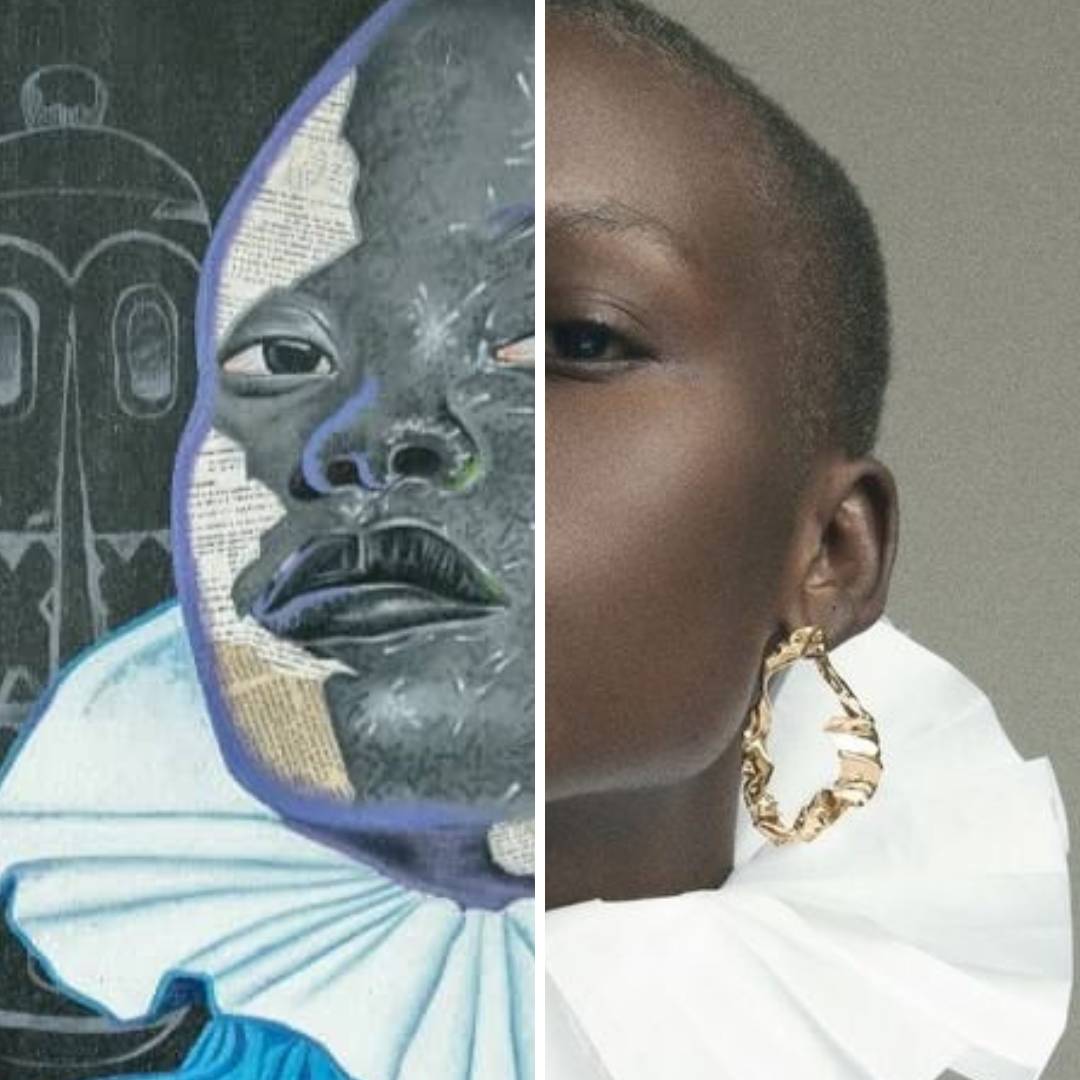
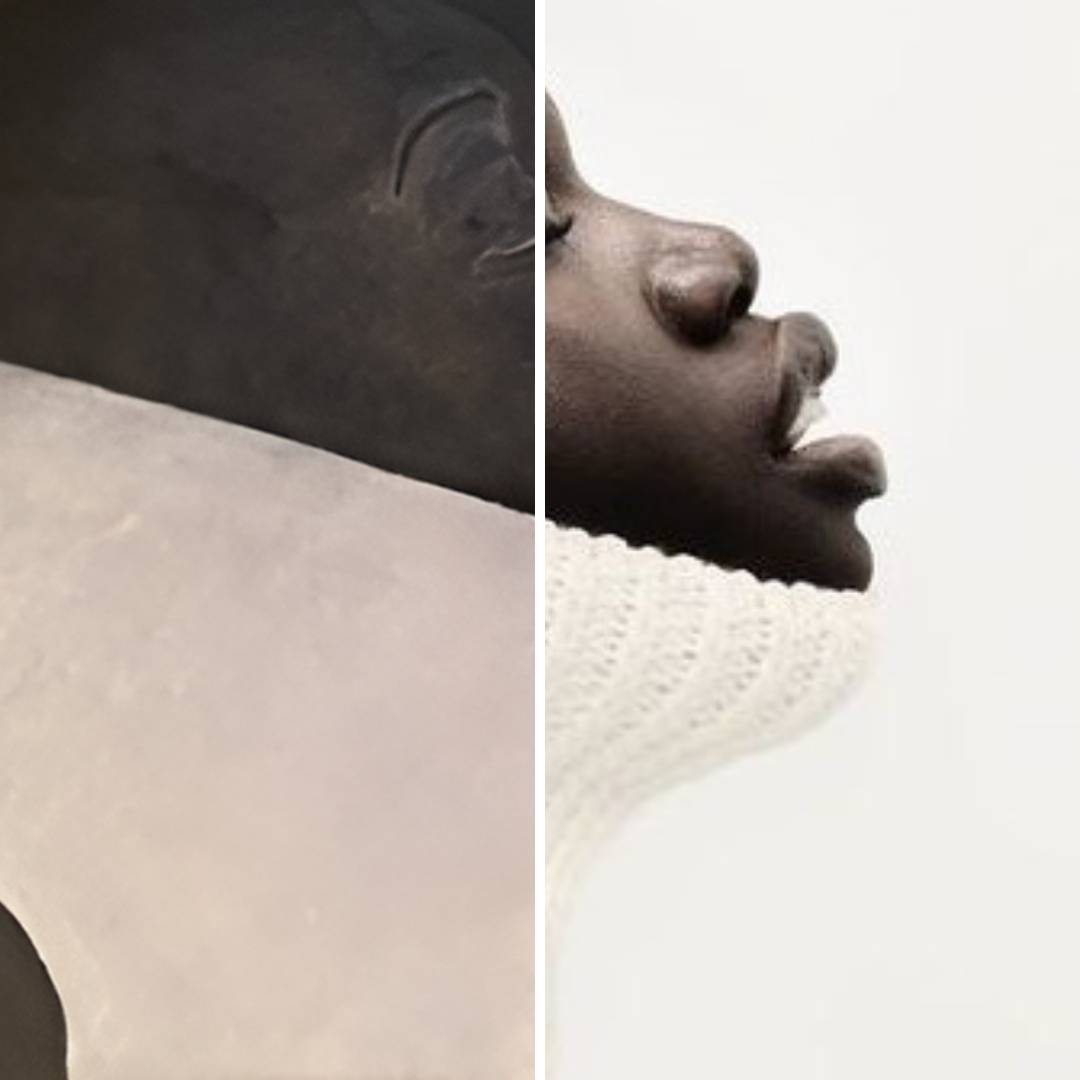
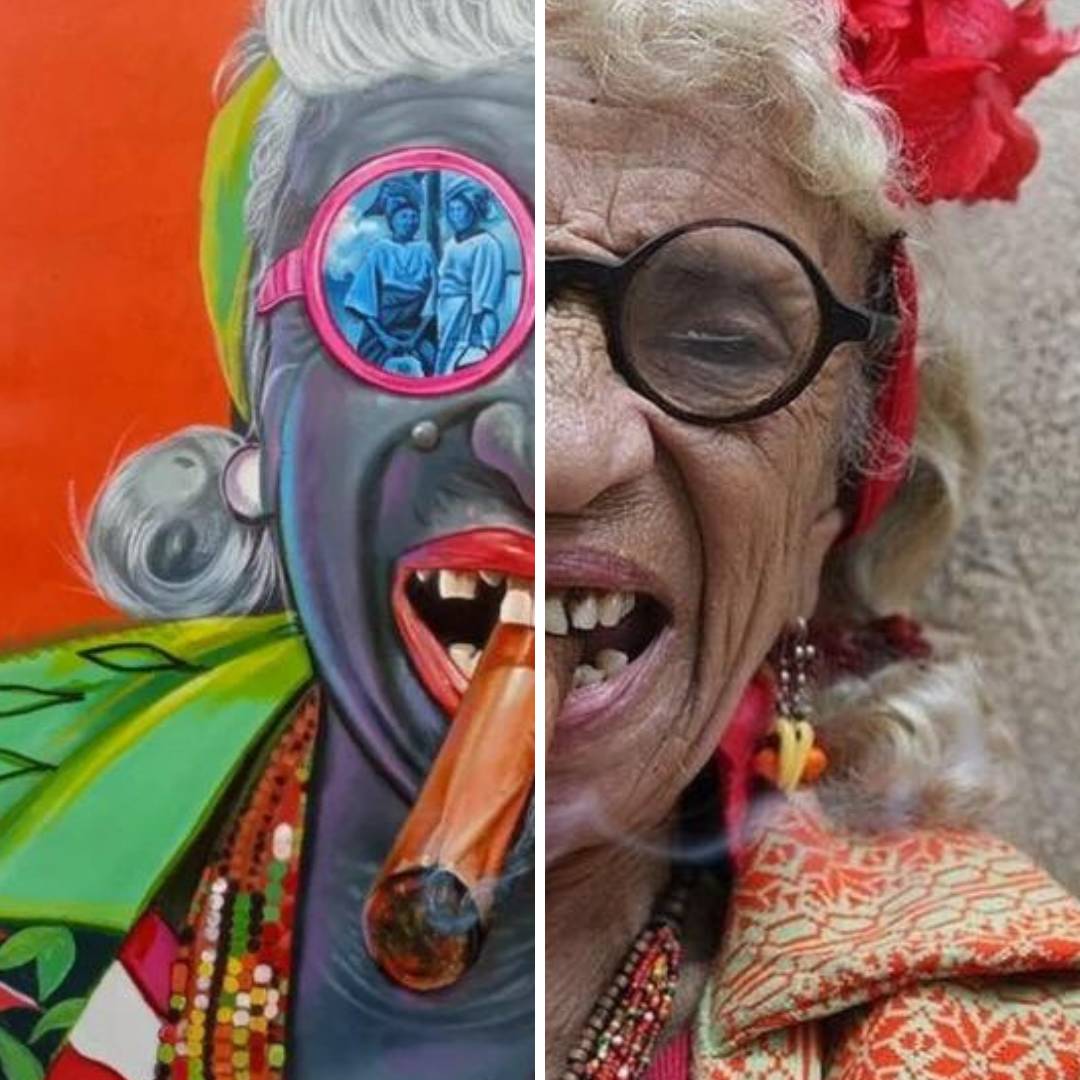
When a single copied image led me to an artist, the rest of the portfolio almost always showed the same habit. In some cases the painters had visible careers, and work of this kind has circulated through galleries that present themselves as serious. The market has not been quick to police the difference. When I asked one established artist how the copyists reach that kind of precision, he laughed. They project the image onto the canvas, he said, or print it straight onto the surface, and paint over it.
The newest version is already here. A painter I had earlier identified as a copyist came back with what he called his reformed “new work.” It was generated entirely by AI, and he wanted to use our platform to lend it credibility. The tool had changed from a projector to a model. Passing off someone else’s image as a handmade original had not.
Who Keeps It Going
The pressure on the painters is real, and worth saying out loud. In an economy with almost no enforcement and few ways up, a name and an image that sell are resources, and they get used. To blame the painter who traces in order to eat is to aim at the wrong figure. Look one step up, at the gallery, which is more comfortable and better placed to know, and one step further, at the buyer, who pays for a unique work made by hand and carries home a printed copy of a digital file. The painter is paid least and the buyer is told least, and the distance between them is where the gallery sits.
The painters have a defense, and they offer it before you ask. The buyer is a mundele, a foreigner; the painting goes to him and to no one else; so who is hurt? There is a debt left from the colony, and the copy collects a little of it. And the buyer wanted this. He came for the exact image on the wall and carries it home satisfied. Whether it was painted from life or traced from a photograph is a question he never asks. Most buyers do not care.
The argument has a certain symmetry, and on a first hearing it almost holds. It stops holding the moment you look at the woman, because she is still there, under the paint, in the photograph the painting was traced from. She sat for someone on an afternoon that had nothing to do with Kinshasa, and she was not asked. Behind her is the photographer, a name lifted from a file. These are the people the excuse steps over on its way to the empire, without once looking down. The buyer it meant to wound is the one person here who loses nothing. So the blow aimed at the colonizer lands where it was always going to land: on a woman more often than not African herself, and on a painter no freer than the one who copied her. The debt is real. It cannot be charged to people who never owed it, and to call that repayment is to choose a victim for being unable to object.
A Minimum Standard
Collectors, the international ones above all, hold more power here than they tend to use. What sells is what gets made, so the choice of what to buy shapes the practice at the other end of it. The checks are not difficult. A portfolio filled with dozens of near-identical exotic faces is the plainest warning there is, and so is a painter who cannot say who the woman is or why he painted her, since a real portrait carries an answer, a name, a moment, a reason, and a copy only deflects. The source closes the matter: a painter who works from a photograph can say whose photograph it was, and an honest one will. Concealment is the tell.
The gallery can be asked in the same spirit. What does it do if a work it sold is later shown to be copied? A serious one has an answer in writing and treats a refund as ordinary responsibility. A complicit one improvises.
The Reparative Solution
There is a precedent for this at the top of the field. In 2022 the Guggenheim Bilbao was caught showing a copy. It did not take the painting down. It added a credit, hung the original beside it, and called the arrangement a reparative solution.
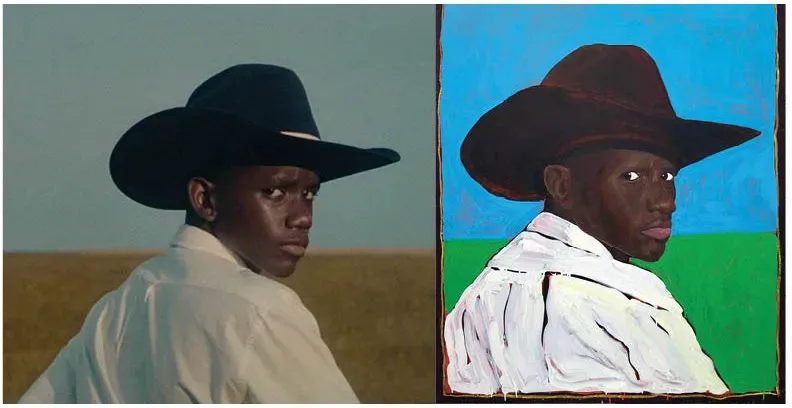
Look at what was used to fix it. The copy became a collaboration because the copied party agreed. The museum answered a question of plagiarism, which is a matter of fact, with consent, which is a matter of negotiation.
The same act is on the walls here, the credit the only thing missing. The museum’s standard does not condemn it. It points to the one piece still absent, the agreement of the woman in the photograph.
But what if I ask, and they accept? Then has the plagiarism disappeared, or has the gallery been holding a row of reparative solutions all along, each one a consent away?
That might be the subject of one of our next essays.
Comments